
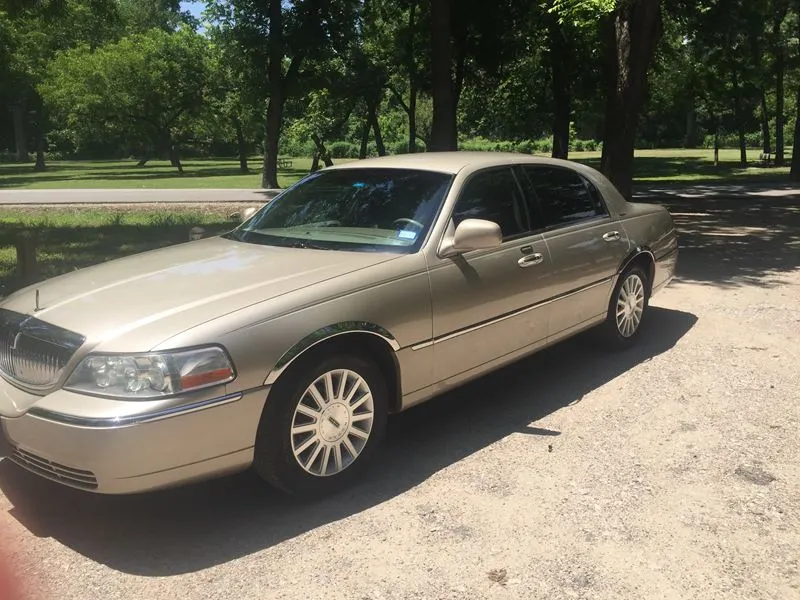
When it comes to upgrading your ride or simply clearing out garage space, knowing exactly what determines the worth of your automobile is crucial. The pre-owned automotive market fluctuates based on economic shifts, consumer preferences, and technological advancements. Sellers who understand these dynamics can position their listings strategically, ensuring they do not leave money on the table or scare away serious prospects with an unrealistic asking price. Whether you are dealing with a gently used commuter car or an older model that has seen better days, several primary factors dictate its ultimate market value. For those looking to liquidate an automobile quickly in North Texas, connecting with localized buying networks like Cash For Cars Dallas, TX provides an immediate baseline price, cutting through market guesswork and turning automotive assets into liquid capital fast.
The Core Impact of Mileage and Mechanical Condition
The numbers on your odometer are often the very first thing a prospective buyer looks at. Mileage serves as a direct indicator of a vehicle’s remaining lifespan and potential wear and tear on internal components.
Why Odometers Dictate Pricing
The 12,000-Mile Benchmark: The automotive industry generally considers 12,000 to 15,000 miles per year as average usage. Surpassing this baseline typically accelerates depreciation.
Major Service Intervals: Vehicles approaching major mileage milestones, such as 60,000 or 100,000 miles, often face steep drops in value because costly maintenance routines—like timing belt or transmission fluid replacements—are looming.
Beyond the numbers, the mechanical integrity of the engine, transmission, and braking systems plays an undeniable role. A car that runs smoothly without dashboard warning lights will always command a premium over one requiring immediate mechanical intervention.
Age and Exterior Cosmetic Condition
While mileage tells part of the story, chronological age is another heavy driver of depreciation. As a general rule, a new vehicle loses a significant chunk of its value within the first few years of ownership. However, the rate of depreciation tends to flatten out as a car gets older.
The aesthetic appeal of your vehicle—often called its curb appeal—greatly influences a buyer’s willingness to pay top dollar. Minor scratches, door dings, and faded paint can accumulate over time, chipping away at the overall valuation. Inside the cabin, stained upholstery, torn leather, or persistent odors from smoking or pets can alienate private buyers, forcing you to lower your expectations or look for alternative inventory liquidation solutions.
Market Demand, Fuel Economy, and Seasonal Trends
External market forces often matter just as much as the physical state of the vehicle. Consumer trends shift rapidly; for instance, rising fuel prices regularly drive up the demand for compact hybrid cars while lowering the appeal of gas-guzzling large SUVs.
Geography also influences demand. A convertible will naturally fetch a higher price in sunny coastal regions, whereas an all-wheel-drive truck is highly sought after in areas prone to harsh winter weather. Timing your sale to align with these regional and seasonal preferences allows you to maximize your returns. If navigating these shifting market trends feels too complex, utilizing a specialized vehicle acquisition service like Top Cash For Cars simplifies the entire process. They evaluate vehicles based on real-time scrap, parts, and wholesale data rather than temporary retail trends, giving you a steady financial exit point.
The Vital Role of Vehicle History and Documentation
A clean title is paramount for a standard automotive sale. Vehicles carrying a salvage or rebuilt title due to past major accidents or flood damage automatically lose a massive percentage of their market value, as insurance companies and buyers view them as high-risk assets.
Conversely, a comprehensive, verifiable service history can significantly boost an older vehicle’s appeal. When you can produce organized receipts showing consistent oil changes, brake replacements, and routine inspections, it proves the car was cared for responsibly. This paperwork gives corporate inventory buyers and private parties the confidence to pay the upper limit of the vehicle’s estimated book value.
How Damaged and Inoperable Vehicles Are Valued
It is a common misconception that an automobile must be roadworthy to hold monetary worth. Even if a vehicle has suffered severe mechanical failure, a blown engine, or body damage from a collision, it still retains intrinsic value based on its raw materials and salvageable components.
The auto recycling industry relies heavily on acquiring older platforms for spare parts, catalytic converters, and heavy scrap steel. This means that non-running vehicles can still earn cash regardless of their operational status. Instead of letting a broken-down vehicle occupy valuable space on your property or incur storage fees, selling it directly to a regional auto recycler or junk car removal service ensures you still walk away with a fair payout.
Final Strategy for Optimizing Your Selling Price
To get the most out of your vehicle, start by pulling a comprehensive vehicle history report and gathering every piece of maintenance paperwork you can find. Take time to address cheap, easy fixes like replacing burnt-out fuses, topping off vital fluids, and giving the car a thorough wash.
If the vehicle requires extensive repairs that outweigh its total book value, trying to fix it before a sale is rarely profitable. In these scenarios, the most financially sound move is to sell the vehicle exactly as it sits. By reaching out to professional car buying services like Top Cash For Cars, you can secure a guaranteed, hassle-free offer that includes free towing, allowing you to close the chapter on your old vehicle swiftly and profitably.
