
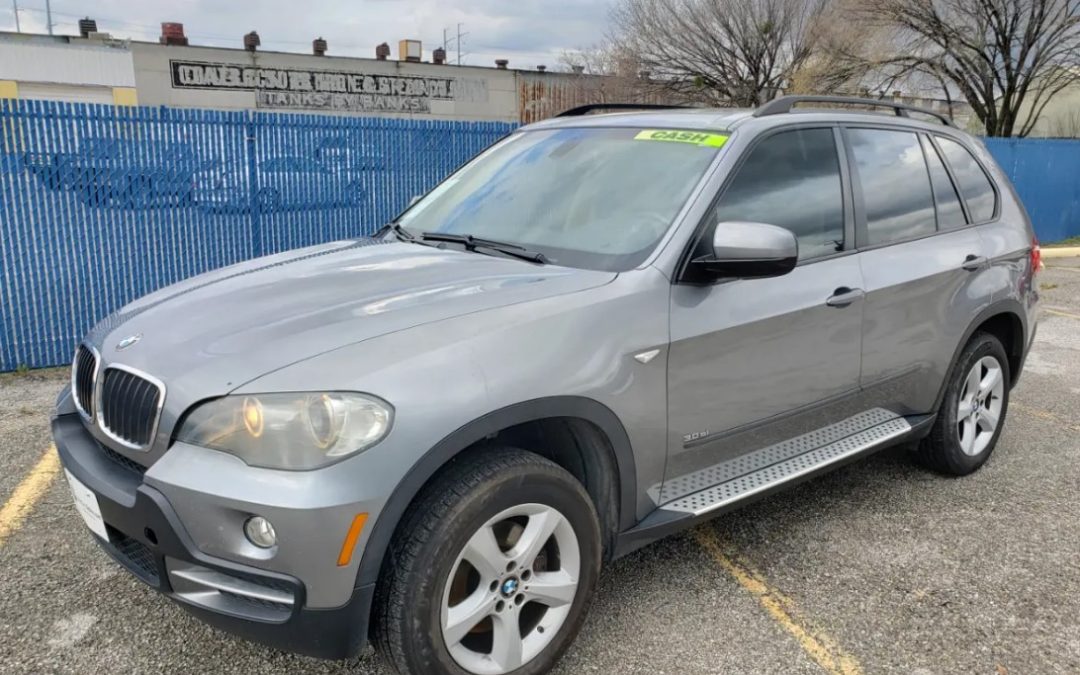
Selling a severely damaged or non-running vehicle can feel like an uphill battle, but it is important to realize that an automobile never truly loses all of its worth. Even after a major accident or a catastrophic mechanical failure, cars retain a surprising amount of financial potential. Many owners mistakenly assume their broken-down vehicle is completely worthless and delay getting rid of it. However, by tapping into specialized automotive salvage networks, you can quickly turn that automotive burden into quick liquidity. For instance, utilizing professional vehicle acquisition services like Cash For Cars Dallas, TX in the first paragraph of your search allows you to immediately access local buyers who recognize the underlying worth of your vehicle, regardless of its current driving condition.
The resale value of a compromised car doesn’t depend on its ability to drive down the highway. Instead, the valuation is driven by the intrinsic worth of its individual components, raw materials, and precious metals. While a standard dealership might reject a vehicle with a blown engine or a crushed frame, specialized buyers look past the exterior damage to calculate the total recovery value of what remains intact under the hood and inside the cabin.
The Economics of Auto Salvage and Spare Parts
The primary reason a damaged vehicle retains resale value lies within the massive global demand for recycled auto parts. Manufacturing brand-new factory components requires a tremendous amount of energy and raw resources, making high-quality used parts a highly sought-after commodity for mechanics, rebuilders, and budget-conscious drivers.
High-Value Components Inside Damaged Cars
Engines and Transmissions: Even if a car is structurally totaled in a rear-end collision, the powertrain at the front often survives perfectly intact and can be transplanted into another vehicle.
Electronic Modules and Sensors: Modern vehicles are packed with sophisticated computers, infotainment screens, navigation units, and sensors that carry high resale premiums on the secondary market.
Body Panels and Interior Trim: Undamaged doors, bumpers, hoods, leather seats, and steering wheels are constantly needed by collision repair shops to fix other vehicles economically.
Industrial Scrap Metal Recycling Values
When a vehicle is completely beyond repair and cannot be stripped for functional spare parts, it still holds significant value as industrial scrap metal. Automobiles are primarily constructed from steel, iron, aluminum, and copper. Recycling these metals is far more eco-friendly and cost-effective for manufacturers than mining virgin ore from the earth.
Furthermore, scrap yard buyers pay close attention to the catalytic converter. This specific exhaust component contains rare precious metals like platinum, palladium, and rhodium. Because these metals are incredibly scarce and expensive to mine, a vehicle’s catalytic converter alone can heavily influence the final cash offer you receive from a local salvage yard, ensuring you get a decent payout even for a completely crushed shell.
Evaluating Your Vehicle’s True Market Worth
To get the most cash for your broken-down truck or car, you need to understand how professional junk car buyers calculate their offers. They don’t look at standard book values; instead, they evaluate current metal market prices, the specific year, make, and model of the vehicle, and the localized demand for its specific parts.
Before reaching out for quotes, it helps to do a quick visual inspection of your vehicle. Note down exactly what parts are damaged and what sections remain in good condition. Being completely transparent about the vehicle’s state ensures you receive an accurate, guaranteed quote that won’t change when the tow truck arrives to pick up the automobile.
Streamlining the Sale with the Right Documentation
When you are ready to finalize the deal and hand over the keys, being organized will speed up the process significantly. Many sellers wonder what documents are needed to sell a junk vehicle before they can legally complete the transaction. Having this paperwork sorted beforehand prevents delays and protects you from future liabilities.
Generally, the most critical document required is a clean vehicle title establishing your legal ownership. If the title is missing, some licensed salvage operators can accept a vehicle registration along with a copy of your driver’s license, depending on local state regulations. Having these items ready allows the buyer to quickly process the ownership transfer, clear the vehicle from your name, and hand over your payment on the spot.
Choosing Reliable Local Instant Car Buyers
To maximize your return with minimal effort, working with an established vehicle recycling brand is your best option. Trying to sell a wrecked vehicle to a private buyer via online classifieds often results in endless lowball offers and wasted time. Professional services cut through the noise by offering instant digital quotes and free towing.
Turning to a reputable service like Top Cash For Cars ensures that you are dealing with licensed professionals who handle all the heavy lifting, legal paperwork, and transportation logistics. By relying on a trusted name like Top Cash For Cars, you eliminate the stress of paying for a private tow truck, allowing you to seamlessly convert your damaged asset into immediate cash right from your driveway.
Environmental Benefits of Auto Recycling
Beyond the immediate financial payout, selling your damaged vehicle to a certified recycling facility offers substantial environmental benefits. Old cars left rotting in backyards or fields can slowly leak hazardous fluids—such as engine oil, coolant, brake fluid, and battery acid—into the surrounding soil and local water supplies.
Professional auto recyclers are legally mandated to safely drain and dispose of these toxic fluids before processing the vehicle. By choosing to sell your vehicle to an eco-friendly auto wrecker, you are directly contributing to the circular economy. You ensure that dangerous chemicals are kept out of the ecosystem while valuable metals and components are repurposed, reducing the overall environmental footprint of the automotive industry.
